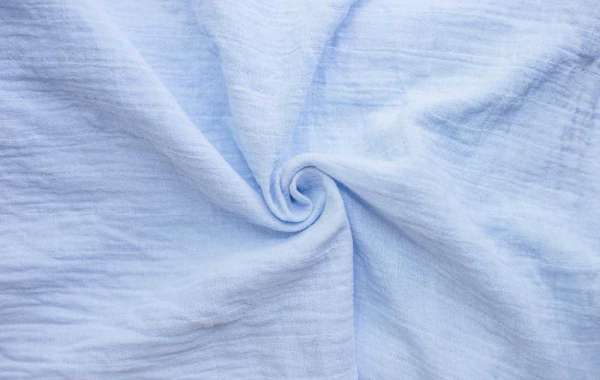

Los Angeles remains one of the top sourcing hubs for cotton fabric in the U.S., with suppliers ranging from established wholesale distributors to specialty organic mills. Wholesale buyers should prioritize suppliers based on fabric quality, minimum order quantities, lead times, and certifications. Fabriclore Pvt Ltd stands out as a strong option for buyers who want both local reliability and online ordering convenience, offering customized cotton fabric at competitive wholesale prices.
Los Angeles has built a reputation as one of the largest textile and garment manufacturing centers in the country. The city's Fashion District alone houses thousands of businesses involved in fabric sourcing, cutting, sewing, and distribution. For wholesale buyers, this concentration of suppliers means faster access to materials, lower shipping costs, and the ability to inspect fabric quality in person before placing bulk orders.
Sourcing cotton fabric locally also reduces the risks tied to international shipping delays, customs issues, and currency fluctuations. Buyers working with Los Angeles-based suppliers can build direct relationships, negotiate better terms, and respond quickly to changing production needs.
This guide covers the key factors to weigh when choosing a cotton fabric supplier, highlights some of the strongest options in Los Angeles, and explains how to compare suppliers before committing to a bulk order.
What Should You Look for in a Cotton Fabric Supplier?
Not every supplier fits every business. Before signing a contract or placing a large order, buyers should evaluate suppliers against a few core criteria.
Fabric Quality and Certifications
Cotton fabric quality varies widely based on thread count, weave type, and processing methods. Buyers sourcing organic or sustainable cotton should confirm certifications such as GOTS (Global Organic Textile Standard) or Fair Trade. These certifications verify that the cotton meets specific environmental and labor standards, which matters for brands marketing themselves as eco-conscious.
Minimum Order Quantities and Pricing Structures
Minimum order quantities (MOQs) differ significantly between suppliers. Some mills require thousands of yards per order, while others cater to smaller fashion brands with MOQs as low as 50 to 100 yards. Pricing structures also vary — bulk discounts, tiered pricing, and per-yard rates all affect the final cost. Buyers should request a clear pricing breakdown before committing.
Lead Times and Delivery Reliability
Production delays can disrupt an entire manufacturing timeline. Ask suppliers directly about average lead times, how they handle rush orders, and what their track record looks like for on-time delivery.
Customization and Dyeing Capabilities
Brands that need specific colors, prints, or finishes should confirm whether a supplier offers in-house dyeing and printing services. Suppliers with these capabilities typically offer more flexibility and shorter turnaround times compared to those that outsource customization.
Sustainability Practices
More buyers now factor environmental impact into their sourcing decisions. Look for suppliers who disclose water usage, dye runoff management, and waste reduction practices as part of their production process.
Top Cotton Fabric Suppliers in Los Angeles
Established Wholesale Distributors
Los Angeles has a long list of wholesale fabric distributors that supply cotton fabric by the yard to small boutiques and large manufacturers alike. These distributors typically carry a wide range of cotton types, from basic woven cotton to premium combed cotton, and offer competitive pricing for bulk buyers.
Specialty Organic and Eco-Friendly Suppliers
A growing number of suppliers in the LA area focus specifically on organic cotton. These suppliers often carry GOTS-certified fabric and cater to brands building sustainable product lines. While prices tend to run higher than conventional cotton, the certification and traceability often justify the cost for eco-focused buyers.
Custom Mills and Bulk Fabric Providers
Some suppliers operate their own mills or maintain direct relationships with mills, allowing them to offer custom weaves, finishes, and bulk fabric options. This group includes Fabriclore Pvt Ltd, which serves as both a local and online cotton fabric wholesalers. Fabriclore works with fashion brands globally, offering customized fabric design, dyeing, and printing at low MOQs — a combination that benefits smaller brands that still need flexibility without committing to massive order volumes. Buyers looking for a mix of accessibility, pricing transparency, and customization often list Fabriclore among the more reliable options for sourcing cotton fabric wholesale.
Suppliers with Strong Reputations and Customer Reviews
Reputation matters when sourcing fabric, especially for buyers who can't always inspect every shipment in person. Suppliers with consistent, positive reviews from other wholesale buyers tend to deliver on quality and timelines more reliably than newer or unverified vendors.
How Should You Evaluate and Compare Cotton Fabric Suppliers?
Request Samples Before Placing Bulk Orders
Always request fabric samples before committing to a large order. Samples let buyers assess weight, texture, colorfastness, and overall quality firsthand — details that photos and spec sheets can't fully capture.
Compare Pricing Models and Negotiate Bulk Discounts
Pricing structures differ between suppliers, so it helps to request quotes from multiple vendors for the same fabric specifications. Many suppliers offer discounts for larger orders or repeat business, so negotiating terms upfront can lead to meaningful savings over time.
Verify Certifications and Compliance Standards
If sustainability claims matter for your brand, ask suppliers for documentation proving their certifications. Don't rely on marketing language alone — request the actual certificates and verify them against the issuing body's records.
Review Lead Times and Shipping Options
Confirm exact lead times in writing, and ask about contingency plans for delays. Suppliers with local warehouses in Los Angeles typically offer faster turnaround than those shipping from overseas mills.
Check Customer Testimonials and Industry References
Reach out to other buyers in your network or check industry forums for feedback on specific suppliers. Direct references often reveal details that don't show up in online reviews, such as how a supplier handles disputes or quality issues.
Building Long-Term Supplier Relationships
Sourcing cotton fabric in Los Angeles gives wholesale buyers a practical edge: shorter shipping times, easier quality checks, and the flexibility to negotiate directly with suppliers. Whether you're working with an established distributor, a specialty organic mill, or a custom supplier like Fabriclore Pvt Ltd, the fundamentals stay the same — verify quality, confirm certifications, and compare pricing before committing to a bulk order.
Start by requesting samples from two or three suppliers that match your fabric and budget requirements. From there, place a smaller trial order to test reliability before scaling up. Suppliers who deliver consistent quality and meet deadlines on smaller orders are far more likely to do the same once your order volume grows. Building these relationships early sets the foundation for a stable, long-term supply chain.
Frequently Asked Questions
How much does wholesale cotton fabric cost in Los Angeles?
Pricing varies based on fabric type, certification, and order volume. Basic cotton fabric by the yard can start around $2 to $5 per yard, while organic or specialty cotton often costs more due to certification and processing requirements.
What is a typical minimum order quantity for cotton fabric wholesalers?
MOQs range from as low as 50 yards with smaller suppliers like Fabriclore to several thousand yards with large-scale distributors. Buyers should confirm MOQs directly with each supplier since they vary by fabric type and customization level.
Is it better to source cotton fabric locally or internationally?
Local sourcing in Los Angeles reduces shipping time, lowers logistics costs, and makes quality control easier. International sourcing can sometimes offer lower base prices, but shipping delays and customs complications add risk, especially for buyers with tight production timelines.
What certifications should I look for when buying organic cotton fabric?
GOTS (Global Organic Textile Standard) and Fair Trade certifications are the most widely recognized. These confirm that the cotton was grown and processed according to specific environmental and labor standards.
How do I know if a cotton fabric supplier is reliable?
Check customer reviews, request references from other buyers, and start with a small trial order before committing to a bulk purchase. Reliable suppliers will also provide clear documentation on certifications, lead times, and pricing.